Showing posts with label reconciliation. Show all posts

Tuesday, September 29, 2026

September 30 is almost here.

September 30 is almost here.

“It’s important for us to remember, we learn from it. And until people show they have learned from this, we will never forget.”

— Murray Sinclair

Murray Sinclair was an Anishinaabe lawyer, judge and Senator, and served as Chair of the Truth and Reconciliation Commission of Canada, which spent years documenting the history and lasting impacts of the residential school system and listening to Survivors.

His message is simple: remembering is not enough. We have to learn from the past — and our actions have to show that we have learned.

As September 30 approaches, perhaps we should all ask ourselves:

What have I learned?
What biases do I still carry?
And what am I willing to do differently?

After what happened in Kamloops this past weekend, I think we all need to stop for a moment and look inward.

What are our biases?
What have we been taught?
What do we believe without questioning it?

And perhaps most importantly:

What do we do when we see racism, hatred or denial happening around us?

We cannot build a better Canada while allowing racism and hatred to continue causing such deep pain to Indigenous peoples, Survivors, families and communities.

Calling out racism isn't about attacking people. It is about refusing to normalize behaviour that causes harm.

Truth and Reconciliation asks something of all of us:

Listen. Learn. Question what we were taught. And have the courage to speak up when something is wrong.

September 30 is not simply a day to wear orange.

It is a day to remember the children who never returned home, honour Survivors and families, listen to Indigenous voices, and consider what reconciliation actually requires from each of us.

The Native Women's Shelter of Montreal has shared these words from Murray Sinclair about why we must never forget what happened to Indigenous peoples in Canada — and why the truth must continue to be heard.

On September 30, the Permanent Peoples' Tribunal is scheduled to release its final judgment following its 2026 session concerning missing and disappeared Indigenous children and unmarked burials in Canada. The Tribunal says it reviewed more than 2,000 pieces of evidence and heard testimony during its May hearings.

So I ask:

How can Canada grow if we refuse to face the truth?

How can reconciliation move forward if racism is allowed to go unchallenged?

And what will I do — what will you do — when we see it?

Listen.
Learn.
Speak up.

The truth matters.

And every child matters. ๐Ÿงก


10 reflective questions

1. What have I learned about the history of Indigenous peoples in Canada?

2. What biases might I carry without realizing it?

3. Where did those beliefs come from?

4. Have I ever accepted something as “truth” without questioning it?

5. How do I respond when I witness racism?

6. Am I willing to listen when an Indigenous person tells me something is harmful?

7. What does reconciliation actually mean to me?

8. Am I doing anything that helps create understanding rather than division?

9. What am I willing to learn, unlearn and change?

10. When I see racism or hatred, will I stay silent — or speak up?

Keywords: Truth and Reconciliation, Indigenous peoples, Murray Sinclair, residential schools, Survivors, racism, reconciliation, September 30, Every Child Matters, Canada


#TruthAndReconciliation #EveryChildMatters #EndRacism #IndigenousRights #September30 #NationalDayForTruthAndReconciliation #ListenAndLearn #Reconciliation #Canada


Tuesday, August 18, 2026

My Ancestor Was Songhees. Why Don't I Have Status? — Part 2

 My Ancestor Was Songhees. Why Don't I Have Status? — Part 2

If you read my last post, you may have wondered what the “second-generation cut-off” has to do with my family.

The answer is: not much.

Canada has changed its citizenship laws through Bill C-3. The old first-generation limit for citizenship by descent has been removed in certain circumstances. People born abroad in the second generation or later can now be Canadian in situations where they previously would not have been. For future generations, there is a substantial-connection requirement: the Canadian parent born abroad generally needs to have spent at least three years in Canada before the child's birth.

That's a significant change.

And if you are one of the people affected by the old citizenship rules, I understand why this matters enormously.

But here's why I am bringing up my own family history.

My great-great-grandmother was Songhees.

My family has documented this history.

Yet today, we have no legal Indian status.

So when Canada talks about correcting generations of people who were excluded from citizenship because of old government rules, I can't help asking:

What about the generations of Indigenous families whose legal recognition was affected by another set of government laws?

These are not the same laws. They are not the same legal issues. And I am not saying they are.

But they raise the same enormous question:

Who gets to decide who belongs?

For someone who isn't personally affected, this can sound like complicated government paperwork.

But it isn't paperwork to the people whose identity, family history and relationship to their ancestors are sitting inside those laws.

My great-great-grandmother didn't get to choose the legislation that would govern her descendants.

And I don't know why she made every decision she made. I wasn't there. I don't want to invent a story for her.

What I do know is that generations later, the consequences are still with my family.

So while Canada is correcting one historical citizenship problem, I think we also need to ask a much harder question:

What happens to the families who were left outside the legal definition of their own Indigenous identity?

Because changing the law for one generation doesn't automatically repair what happened to another.

And unless you are one of the families affected, you may never have a reason to think about it.

That's exactly why I'm writing about it.

Not because I have all the answers.

Because I think we need to start asking the questions.


10 Reflective questions

1. If Canada can change citizenship laws to correct injustices affecting descendants of Canadians, what does justice look like for Indigenous families whose legal status was affected by Canadian law?

2. Who gets to decide whether a person belongs — the government, a birth certificate, a status card, ancestry, or the nation of their ancestors?

3. What happens when a government-created definition of identity is passed down through generations and eventually separates descendants from legal recognition of their own heritage?

4. Can a law erase someone's legal status without erasing their family's actual history?

5. If you are a tourist visiting Canada, do you know whose territories you are actually standing on?

6. How would you feel if your great-grandmother belonged to a nation, your family could document that connection, but the government later told your descendants they no longer legally belonged?

7. Why do we find it important to correct historical injustices when they affect some Canadians, but struggle to understand the consequences when they affect Indigenous families?

8. What does reconciliation mean if generations of families still live with the consequences of laws created long before they were born?

9. When politicians talk about citizenship, immigration and belonging, whose definition of belonging are they using — and whose history is missing from the conversation?

10. If Canada is willing to reconsider laws that separated people from Canadian citizenship, are we willing to ask what other government-created divisions still need to be reconsidered?


#Songhees #IndigenousStatus #IndianAct #LostCanadians #Citizenship #IndigenousRights #Reconciliation #CanadianHistory #WhoGetsToBelong #KnowTheHistory

Saturday, August 15, 2026

Before We Call It a Giveaway: My Songhees Ancestor, the Douglas Treaties, and Listening to History

 Before We Call It a Giveaway: My Songhees Ancestor, the Douglas Treaties, and Listening to History

By Tina Winterlik aka Zipolita

Sometimes history stops being something you read about and becomes something you realize is sitting inside your own family tree.

That happened to me when I began researching my great-great-grandmother, Theresa Eliza, a Songhees woman who lived on Vancouver Island in the 19th century.

And then there was another branch of the family tree:

My great-great-grandfather, Joรฃo Ignacio d'Almada, came from the Azores, the Portuguese islands in the Atlantic.

Somewhere in colonial British Columbia, these two worlds met.

A Songhees woman.

A Portuguese immigrant from the Azores.

Their descendants became part of my family.

That makes today's conversations about treaties, land and reconciliation more than an abstract political argument for me.

It makes me want to slow down and listen.

I am not speaking for Songhees Nation

I want to be very clear about something.

I am not speaking for the Songhees Nation.

I have not reached out to Songhees Nation to tell them what they should think or do.

My ancestry does not make me an authority on Songhees history, culture or governance.

The Songhees people speak for themselves.

What I can do is tell my own family story, acknowledge where my ancestors lived, and listen respectfully when Songhees people explain their history and their position today.

Recently, I read an opinion piece by Ron Sam, Songhees Nation Chief and Chief Negotiator for the Te'mexw Treaty Association, responding to criticism of the modern treaty negotiations.

His central message stayed with me:

A treaty should not automatically be described as a giveaway.

That made me think about something we sometimes forget when talking about land.

We are looking at the present.

Our ancestors lived through the beginning of this story.

My great-great-grandmother was alive when Victoria was changing

Theresa Eliza was born around 1836.

That means she was already alive when Fort Victoria was established in 1843.

She was alive when the colonial settlement expanded.

She lived through the devastating smallpox epidemic of 1862.

And she was an adult when the Douglas Treaties were negotiated in 1850.

The dates matter.

They put a human being inside a history that can otherwise become nothing more than names on a government website.

The Douglas Treaties involving the Songhees were signed in April 1850. Federal historical records identify Douglas Treaty No. 1 with the Teechamitsa (Songhees) on April 29, followed the next day by Treaties 2 through 6 involving several Songhees groups and Esquimalt.

These agreements are part of the complicated history underlying today's relationships between First Nations and governments in British Columbia.

And there is something I think every British Columbian should understand:

Those treaties did not happen in an empty landscape.

They happened in Indigenous territories where Indigenous peoples already lived.

What were the Douglas Treaties?

The historical record tells us that James Douglas negotiated agreements with Indigenous Nations around what is now southern Vancouver Island.

The agreements involved land, reserves, compensation and continuing rights to hunt and fish on unoccupied lands.

The historical record is also stark about the material compensation associated with the Songhees agreement. One federal historical account says the Songhees surrendered their title to the District of Victoria in return for 371 blankets and a cap, along with reserve lands and certain continuing rights.

Reading that today, I have questions.

What did the people negotiating understand the agreement to mean?

What did the written English document mean to colonial officials?

What did the Indigenous signatories understand they were agreeing to?

How were concepts of land ownership understood across completely different legal and cultural systems?

And what happened afterward?

Those aren't unreasonable questions.

In fact, they are exactly the questions we should be asking if we want to understand reconciliation honestly.

Then came the Indian Act

My great-great-grandmother Theresa Eliza later married my Portuguese/Azorean ancestor.

Her marriage happened in 1876—the same year the federal Indian Act was enacted.

That coincidence stopped me in my tracks.

I began wondering what the law meant for women like her.

The Indian Act created a federal system for regulating First Nations people and reserve lands, and its status provisions contained serious gender discrimination.

Indigenous women who married non-status men could lose their legal status, while the rules historically treated Indigenous men who married non-status women very differently.

In other words, a woman's marriage could become a government decision about whether she remained legally recognized as an Indigenous person.

Imagine that.

A woman is born into a Nation.

She belongs to her family.

She carries her history.

She marries someone from another background.

And a government says her legal identity has changed.

That is not simply genealogy.

That is the power of legislation reaching directly into families.

And my family became a bridge between worlds

My ancestor Theresa was Songhees.

My ancestor Joรฃo came from the Azores.

Their descendants carried both histories forward.

Portuguese.

Songhees.

Coast Salish territory.

Colonial British Columbia.

Catholic records.

Indigenous family history.

And generations later, here I am trying to piece together what happened.

Genealogy has taught me something important:

History is rarely as tidy as the categories we put on paper.

People married.

People moved.

Languages changed.

Children adapted.

Families survived.

And sometimes government paperwork recorded only a fraction of the lives people were actually living.

So when I hear the word "giveaway"...

I pause.

Not because I think every treaty proposal should be beyond criticism.

It shouldn't.

People have legitimate questions about land, access, governance, development, environmental protection and relationships between neighbouring Nations.

Those questions deserve answers.

But I don't think we should begin with the assumption that reconciliation is a government gift being handed to people who simply showed up and asked for something.

The Te'mexw treaty negotiations have been underway since 1995. They involve Songhees and four other First Nations, Canada and British Columbia, and the process has taken decades. B.C. describes the current agreements as modern treaties intended to establish long-term relationships, governance arrangements, treaty lands and certainty around rights and responsibilities.

That is not an overnight transaction.

It is the latest chapter of a much longer history.

A history that includes the Douglas Treaties.

A history that includes colonial expansion.

A history that includes the Indian Act.

A history that includes Indigenous resistance, survival and adaptation.

And a history that includes families like mine.

We don't have to agree on everything to listen

I don't expect everyone to have the same opinion about the Te'mexw treaties.

I don't.

I think people should read the agreements.

Look at the maps.

Ask questions.

Listen to neighbouring Nations.

Understand public-access provisions.

Understand governance.

Understand what land is actually being discussed.

And then form an opinion.

But there is a difference between questioning a treaty and questioning whether Indigenous people belong here.

The first is democracy.

The second erases history.

B.C.'s current information about the Te'mexw negotiations says treaty lands would be located within the respective Nations' territories and that, in the proposed arrangements, public access and recreational opportunities would continue in the provincial park lands proposed as treaty lands for Songhees and T'Sou-ke, while conservation values would be maintained.

Those details matter.

Facts matter.

And Indigenous voices matter.

I keep thinking about my grandmother's grandmother

I don't know everything about Theresa Eliza.

I don't know what she thought about the arrival of settlers.

I don't know what she thought about the Douglas Treaties.

I don't know what she thought about the church.

I don't know what she told her child about being Songhees.

And I certainly don't want to invent those answers.

What I know is that she lived.

She survived enormous change.

She raised a child.

She married a man whose family came from the Azores.

And her descendants continued.

Her story survived even when much of the surrounding history became buried beneath colonial records and changing identities.

That is why I am listening now.

Maybe reconciliation begins with changing the question

Instead of asking:

"What are they getting?"

Perhaps we should ask:

"What happened here?"

Instead of:

"Why are we giving them land?"

Perhaps:

"What were the original agreements, what happened to them, and what relationship are governments and First Nations trying to establish now?"

Instead of:

"What will they do with it?"

Perhaps:

"What does the proposed treaty actually say?"

Those are very different questions.

They don't require blind agreement.

They require curiosity.

And respect.

My family story is not a claim to speak for anyone

My great-great-grandmother being Songhees does not give me permission to speak for the Songhees Nation.

It gives me a responsibility to be careful with her story.

My great-great-grandfather coming from the Azores doesn't erase her Indigenous ancestry.

And her Songhees ancestry doesn't erase his Portuguese story.

Both are part of the complicated family history that eventually became mine.

Maybe that is one of the lessons genealogy can offer Canada.

Our histories are intertwined.

The Indigenous history of this place did not disappear when settlers arrived.

Portuguese immigrants became part of British Columbia.

Indigenous women married newcomers.

Children crossed cultural worlds.

Families adapted.

And the descendants are still here.

So I am listening

I am listening to Songhees voices.

I am learning about the Douglas Treaties.

I am learning about the Indian Act and what it did to Indigenous families.

I am trying to understand the Te'mexw negotiations without reducing them to slogans.

And I am remembering my great-great-grandmother.

Not as a political talking point.

Not as a convenient ancestry claim.

But as a woman who lived through a period of extraordinary change.

She was here before Canada became the country we know today.

Her descendants are still here.

And that is why, when I hear the word "giveaway," I think we need to be very careful.

Because before we decide that something is being given away, we should learn what happened to it in the first place.

Sometimes reconciliation begins not with having the loudest opinion—but with finally listening to the people whose history we were never taught properly.

๐ŸŒฟ

By Tina Winterlik aka Zipolita

This is a personal reflection based on my family-history research. I do not speak for the Songhees Nation or any other First Nation. Where historical records are incomplete or uncertain, I have tried to distinguish documented facts from questions that remain unanswered.


#SongheesNation #DouglasTreaties #TemexwTreaty #IndigenousAncestry #IndianAct #Reconciliation #FirstNations #IndigenousHistory #AzoreanAncestry #BCHistory

Monday, September 29, 2025

Lineage, Memory & Survival

 ๐ŸŒฟ Lineage, Memory & Survival

When I was taking a Carving and Reconciliation course at Langara, some of the men laughed about dating when they were young — or “snagging” as they called it ๐Ÿ˜๐Ÿ˜‚.

They said sometimes you’d see someone you liked… and then your Aunty or Mom would step in:
๐Ÿ‘‰ “That’s your cousin.”

๐Ÿ’ก Those teachings were protection. They kept the family lines safe, and they carried wisdom about lineage and balance.


๐Ÿ’” What Was Broken

But then came the F*CKING Residential Schools.
Family trees torn apart. Names stolen. Kinship systems shattered.

And not just here. Across history, humanity has seen:

  • Cousins marrying unknowingly.
  • Women forced into marriages.
  • Slavery.
  • Violence against women on a massive scale.

๐Ÿงฌ What Sperm Carries

Every act of violence, every broken lineage, every trauma — it doesn’t vanish.
Science calls it epigenetics.
Elders call it memory.

It lives in the sperm.
It lives in the eggs.
It lives in us.


๐ŸŒŸ The Miracle

And yet — here we are.
Alive. Breathing. Continuing.

We carry scars.
But we also carry resilience.

✨ We are proof that survival is stronger than destruction.


๐Ÿ’ญ A Question for Today

What wisdom will we choose to pass forward?
What wounds will we choose to heal so the next generations don’t have to carry them?


Friday, July 25, 2025

The Real Threat Isn’t Indigenous Rights — It’s Fear-Mongering

 ๐Ÿงฟ The Real Threat Isn’t Indigenous Rights — It’s Fear-Mongering

By Tina Winterlik aka Zipolita

Caroline Elliott’s recent National Post article, titled “The end of Canada is coming and B.C.’s NDP is leading the charge,” is not journalism — it’s ideological propaganda wrapped in alarmist rhetoric. It’s exactly the kind of divisive narrative that stalls reconciliation and misleads the public about the true meaning of Indigenous rights.

Let’s be clear: the so-called “veto” she claims First Nations are getting over Crown land isn’t some hostile takeover. It’s part of a long-overdue effort to recognize Indigenous Peoples as equal partners in decisions that affect their ancestral territories — lands that were taken without consent in the first place.

๐Ÿชถ What Elliott Gets Wrong

She claims B.C.'s commitment to Indigenous consent undermines democracy. But how can any democracy be whole when it’s built on stolen land? The Declaration on the Rights of Indigenous Peoples Act (DRIPA) is about repairing historical harm and moving toward shared governance, not erasing non-Indigenous voices. It's about justice, not domination.

She argues this will lead to the "end of Canada." In reality, what terrifies people like Elliott is not the end of Canada — but the end of unquestioned colonial control.

⚖️ Who Gets to Decide?

What’s truly dangerous is not Indigenous communities having a say in their own lands — it’s white-settler commentators trying to stir public fear that working together means losing something. It’s those with power framing equity as “chaos.” Elliott’s words echo a long history of resistance to Indigenous autonomy — and it needs to stop.

Public land isn’t just for recreation or profit. It is the homeland of Indigenous peoples. They were stewards of this land for thousands of years before a single European ship arrived.

๐Ÿ“ข What We Should Be Asking

Instead of fear-mongering, why aren’t we talking about:

  • How Indigenous-led conservation has protected more land and biodiversity than many government programs?
  • How true reconciliation means sharing power, not just symbolic land acknowledgements?
  • Why so many Canadians still feel entitled to land they didn’t inherit or buy — but occupy because of colonial legacy?

✨ A New Vision

Reconciliation is not comfortable. It demands humility, listening, and a shift in who holds power. But it doesn’t mean the end of Canada. It means the beginning of a better one — one built on truth, respect, and shared responsibility.

So no, Caroline. Indigenous consent isn’t a threat — it’s a promise kept.


Thursday, July 10, 2025

Stupid Is as Stupid Does” — Labels, Warnings, and When Language Hurts

 “Stupid Is as Stupid Does” — Labels, Warnings, and When Language Hurts

By Tina Winterlik aka Zipolita

I recently heard MSNBC’s Lawrence O’Donnell call Donald Trump “stupid” on national television.
He didn’t stop there. He said Trump was “trapped in his stupidity,” launching into a fiery takedown that felt more like a performance than journalism.

And I thought—we’re going in circles.

This isn’t how news should sound.
It shouldn’t echo reality TV or viral outrage clips.
It should inform, not entertain at the expense of reason.

It reminded me of Forrest Gump:
“Stupid is as stupid does.”
That line wasn’t meant to insult—it was about actions.


๐ŸŒŠ Driftwood, Name-Calling, and Breaking the Cycle

Just yesterday, I was upset watching someone hack up a beautiful driftwood log that had rested on our beach for over 50 years. In frustration, I muttered, “Trumpster…”

And then I caught myself.

Name-calling doesn’t solve anything. It just keeps the fire going.


๐Ÿ’ฌ My Friend Who Shouts “Ya Dummy!”

My 76-year-old friend used to say, “Ah, I’m so stupid,” every time something went wrong.
I gently encouraged him over time to stop saying that.

Now, when someone cuts him off in traffic, he just says:
“Ya dummy!”

Better, maybe. But words still matter.


๐Ÿ”ฅ A Wound from the Past

A few years ago, I was in a reconciliation and carving program.
We were creating two powerful pieces:

  • One to honour the children who never came home from Residential Schools,
  • And another for the Missing and Murdered Indigenous Women.

It was emotional, intense, and sacred.

In a group chat, I posted something calling Trump a sociopath.
I didn’t mean to diagnose—I meant to warn.
But the word hit a nerve.

One First Nations participant, someone brave and open about their struggles and hopes, called me out.
They said my words were racist.
Another friend had posted a similar thought—and things spiraled.

I left the group.

Not because I didn’t care—but because it hurt so much.
And I realized: we weren’t just arguing about Trump.
We were navigating deep wounds.
Trauma. Power. Trust.


๐Ÿง  Why I Said Sociopath

When I used the word “sociopath,” I wasn’t trying to excuse him.
I was trying to alert others to the danger.
But I now see that words like that—especially in cross-cultural spaces—can be misunderstood.

What sounds like concern to one person can sound like protection to another.
Especially when it's about someone in power who has caused so much harm.


๐Ÿ“บ Why Are Newscasters Talking Like This?

Why are American newscasters sounding like celebrity roasters?
Why are they stooping to name-calling—on air?

Is this really how we challenge authoritarianism?
By sounding like the very thing we’re fighting?

We need anchors and journalists who report with truth and professionalism, not sarcasm and soundbites.


๐Ÿ” Closing the Circle

This isn’t just about Trump.

It’s about how we speak.
How we treat each other when we’re angry.
How we hold ourselves accountable when we mess up.
And how we try to grow—even when it’s messy.

We don’t have to be perfect.
We just have to try not to become what we’re resisting.

Even if all we can say in the heat of the moment is:
“Ya dummy!”
Let it be a reminder of our shared humanity—and our ability to do better.


❤️ If You’ve Ever Felt Misunderstood…

I see you.
You’re not alone.
Let’s keep the conversation going—with truth, care, and courage.


๐Ÿ”– Keywords:

Trump, sociopath, reconciliation, language, Indigenous, media, namecalling, trauma, journalism, truth


Thursday, May 22, 2025

Reconciliation Means Something Very Different in Canada and the U.S. — And That Matters


 "Reconciliation Means Something Very Different in Canada and the U.S. — And That Matters"
by Tina Winterlik aka Zipolita

When I hear the word reconciliation here in Canada, it immediately brings to mind the ongoing and urgent efforts to repair the damage done to Indigenous peoples through colonization, residential schools, land dispossession, and systemic injustice. For many Canadians, reconciliation is a process of truth, healing, and responsibility — one rooted in the 94 Calls to Action issued by the Truth and Reconciliation Commission (TRC).

But recently, I came across the term "reconciliation bill" in the context of U.S. politics, and it made me stop. At first, I thought it might be a bill related to Indigenous justice in the U.S., or something tied to racial healing — but I was wrong. In the U.S., reconciliation means something completely different.

Reconciliation in Canada: Healing, Justice, and Indigenous Rights

In Canada, reconciliation refers to our collective responsibility to recognize and repair the legacy of colonialism. This includes:

  • Confronting the trauma caused by the residential school system
  • Restoring Indigenous languages and cultures
  • Supporting land back initiatives
  • Addressing systemic inequality in healthcare, education, housing, and justice
  • Honoring treaties and promoting nation-to-nation relationships

Reconciliation in Canada is about truth, respect, and restoring dignity to Indigenous peoples.

Reconciliation in the U.S.: A Budget Trick

In the United States, however, “reconciliation” is a budgetary procedure — a tool used by Congress to fast-track certain legislation related to taxes, spending, or debt. It allows a bill to bypass the usual 60-vote requirement in the Senate and instead pass with a simple majority (51 votes). This process has been used to pass major and often controversial legislation, including tax cuts, healthcare changes, and stimulus bills.

So when U.S. politicians talk about a “reconciliation bill,” they’re not talking about justice or healing. They’re talking about money — and using a loophole to get around political gridlock.

Why This Matters

Words matter. When Canadians hear the word reconciliation, it stirs deep emotions, a sense of responsibility, and a call to action. But if we’re not careful, these important meanings can be diluted or misunderstood — especially when American political jargon dominates media headlines.

We must protect the meaning of reconciliation in the Canadian context and keep reminding people that this isn’t just a buzzword — it’s about acknowledging truths, restoring rights, and building a future based on respect and justice for Indigenous peoples.

Let’s not let a technical term from another country override the powerful and necessary work still being done here at home.


Want to learn more? Check out the Truth and Reconciliation Commission’s 94 Calls to Action and support Indigenous-led initiatives in your community.

#Reconciliation #IndigenousRights #TruthBeforeReconciliation #CanadaVsUS #WordsMatter

Saturday, June 22, 2019

VSB Legacy Carving Project-Happy Indigenous Peoples Day Everyone

Well hellooooo!

It has definitely been a while. I have contemplated shutting down this blog, so much has changed since I started it. We can discuss that later but for now here is the reason I felt compelled to ACT!

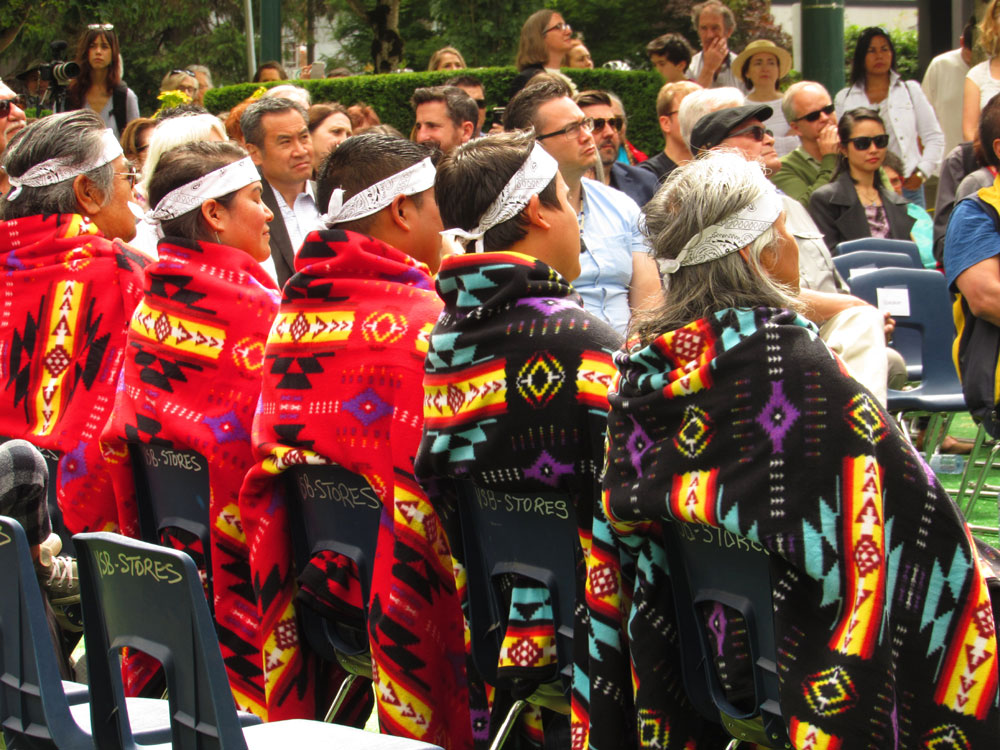
One of the things I hear is a lot of talk but see very little ACTION! Yesterday I saw action. I witnessed a wonderful inspiring ceremony of de-colonization and a small step in the right direction.

I am not going to say much more please look at the photos and watch the video. Sorry it is lacking a lot of credits but I wanted to share it while it is fresh.

For Information about the Legacy Project please visit this link

https://www.vsb.bc.ca/Student_Learning/Indigenous_Education/Indigenous_Events/Legacy%20Carving%20Project/Pages/default.aspx


Tina Winterlik aka Zipolita © 2019

Tina Winterlik aka Zipolita © 2019

Tina Winterlik aka Zipolita © 2019

Tina Winterlik aka Zipolita © 2019

Tina Winterlik aka Zipolita © 2019

Tina Winterlik aka Zipolita © 2019

Tina Winterlik aka Zipolita © 2019

Tina Winterlik aka Zipolita © 2019

Tina Winterlik aka Zipolita © 2019

Tina Winterlik aka Zipolita © 2019

Tina Winterlik aka Zipolita © 2019


Read More Here- Legacy Carving Project
https://www.vsb.bc.ca/Student_Learning/Indigenous_Education/Indigenous_Events/Legacy%20Carving%20Project/Pages/default.aspx


Legacy Carving Project


VSBLegacy
In honour of truth and reconciliation, the District partnered with local Indigenous artists to bring one 44-foot Reconciliation Pole and two Welcome Figures to the Education Centre.  A collection of three poles together is a national first for a public school.
Recognizing that the District is on the traditional unceded territory of Indigenous land, we wanted to acknowledge the important role the Indigenous culture plays by installing these three poles. Carved out of 300 to 500 year-old cedar logs, the poles are a reminder of the District’s connection to the First peoples, the Musqueam nation whose unceded lands the Education Centre resides as well as, the surrounding nations of the Tsleil-Waututh and Squamish Coast Salish peoples and the urban indigenous community.
On June 21, 2019, on National Indigenous Peoples Day, the District will publicly unveil the Reconciliation Pole and two Welcome Figures. Please join us from 10 a.m. to 1 p.m. at the Education Centre (1580 West Broadway, Vancouver) or stream the ceremony live at Legacy - Live Broadcast Part 1 and Part 2.  Witness the unveiling ceremony and cultural teachings of Indigenous drummers and singers.
We’re carving a legacy for current and future VSB students #VSBLegacy

Monday, September 4, 2017

How to End the Fentanyl Crisis


https://www.instagram.com/explore/tags/smokeydevil/?hl=en   
#Smokeydevil


Do you ever feel really small and think what can I do. Are you tired?
I am. Sometimes I feel like I want to quit this blog but then I read something and I think...this needs a voice. I am small, right now I am poor and at the end of the month homeless, I am single mom of a beautiful 15 year old girl and this fentanyl crisis is freaking me out. I haven't personally lost any friends or family to this crisis but I do know many who have and it's devastating. Any loss of life is devastating. GRIEF! Been there.

I come up with all these cRaZy thoughts and my kids says "what are you on?" Nothing! I just have these ideas that pop into my head. Insights! Right now to me, it feels like this Fentanyl crisis is very similar to the small pox epidemic. Many people don't really know about it, we are just learning more as those enlightened enough delve into the muddy waters of so called "Reconciliation."

We are losing so many lives on the DTES (everywhere) but the stats are showing it's a high percentage of First Nation women. The matriarchs! These poor souls who have suffered so much already from the legacy of the Residential schools, from being in Foster Care, from being pushed aside and forgotten by society..these single moms, these children, homeless, preyed upon by other sick souls and the very government that is supposedly elected to protect used and abused them and just single parents in general. OUR SOCIETY IS REALLY F*KED UP!!

IT'S NOT SUPPOSED TO BE THIS WAY! I could go on a long rant about how we are supposed to be hunters and gatherers and 200 years ago, at this time of year huge amounts of salmon would be arriving and the men would be helping fishing and women would be cleaning, drying the salmon. The women would be harvesting berries, the women would be gathering roots and making cedar clothes. Everyone would be working and getting ready for winter. Everyone had a job, home, and love...NOT LIKE NOW!!

Am I making any sense? Women had women to rely on. They had children but they could find their own food and if you study anthropology- is they provided most of the diet. But in today's women, especially single moms are treated like shit. Either you work yourself to death and have someone else raise your child (i.e. lovely hard working Philipino nanny ) and your kid has her morals, not yours...because you weren't there...or you have to live in precarious oppressive situations or God forbid the government swoops in and steals your child.

Why do you think these women are using drugs. To numb the pain of all that I just mentioned.

Enter Fentanyl. BIG PHARMA!

This is going to be a long rant, you might want to get a coffee and some kind of treat because this is ugly shit and not nice to talk about but I need to vent here and if you want to stick around well, I hope I enlighten you or if you are already maybe you can share.

My arms are already sore from typing...I've got tendonitis, so I can't type to much for to long. It's why I can't take many labour jobs, it's why I should be on disability but disability is as evil and de-humanizing as welfare. It's not enough to live on, proving your poor is humility, proving you can't actually work is even more exhausting and depressing and I refuse to grovel to the government- unknown entities who see you as a number and can dismiss you with a keystroke. So many suffer from this useless system. And Christy Clark, thank god she's gone she help propel this shit to the level it is. And John Horgan, while I love what you have been doing so far, $100 extra month is NOTHING!! NOTHING!! NOTHING!! NOTHING!! NOTHING!! NOTHING!!

WE NEED BASIC INCOME NOW FOR ALL SINGLE PARENTS!!!

(and tiny houses on all the streets, close them, hook the houses up to street facilities, plant gardens everywhere, shut down all the shipping and shit, use local only, clean up the harbour, bring back OUR SALMON, teach our kids how to survive with no F*CKNG electricity, because WHEN THAT SOLAR STORM, earthquake, Tsunami, hurricane, flood, or god forbid MOON misses the U.S. and hits us...help our child have some sort of tools to survive.. even if it's just a few.. DO IT FOR OUR CHILDREN'S CHILDREN)

whew! breathe...1, 2, 3... That feels a little better. I needed to vomit that all up! BLAK!

Last night on the news this lady was saying about all these kids in OTTAWA starting back to school and they were afraid for them. One mom said that when she was young if you smoked a joint it wasn't the end of the world..now maybe it is.

I remember when I was little... 12 ...my sister she gave me this book called GO ASK ALICE, it was supposed to warn me about drugs, because people were doing LSD and jumping off roofs and shit..in honesty ...it made me want to do drugs. Go figure!

DRUGS... WHAT ARE THEY? Let's talk about that for a minute.

My mom had open heart surgery when I was 14, she had all sorts of health issues, she may have had Lupus we don't know, she hurt all the time. She was on meds up the ying yang. She took prenizone, you know that one, it's evil. After she had been on it 10 years we read it caused all sorts of evil things. She died 10 years ago. GRIEF- remember I mentioned it above...hit me really hard. My mom was grieving for years. My dad took his life when I was 11 years old. She had 3 teens to raise, she had 4 kids but the oldest was already married and all that pressure took it's toll on them ...I remember mom saying to me...that she had to get a job or the welfare would take us. When my dad took his life there life insurance was void. My mom was an incredibly strong beautiful loving woman and she survived, she raised us and she got me through school even though I encountered some awful teachers and wanted to quit so bad. She survived another heart attack later on when my child was just 5 months. She hurt all the time and BIG PHARMA was pumping her full of drugs.

I remember near the end. I was so scared. I had had a falling out with my family, I had no money. My kids dad is Mexican, he is lucky he make $20 a day so he can't help...and we are not together, so I get nothing. I am on my own...anyways, I had social assistance when my kid was born up until 3. Then they were kicking me off so I figured out how to get into a Co-op, some really lovely people helped an I managed to move but I didn't want some people to know...I was just scared...scared all the time...just like so many of these single moms/dad, aunties, caring for kids...that the welfare system will come steal our kids and force them into some evil situation where they will be abused, used and preyed upon..(a lovely legacy of the residential school-(sarcasm here...I hope you realize).

Anyways, my mom was in terrible pain, she couldn't take alot of pain killers and she called an asked me could I please get her some medical marijuana...she was ready to try anything...and I was living in Nelson- and green was BC underground ecomony and how we survived the recession if you are clueless to such things. But I told her no. I was scared. I was so scared someone would see me and then I would lose my kid.

Why am I telling you all this? If you are still with me...Hello! Thanks for listening.

Drugs. They are F*KING EVIL. but what kind of drugs. In the sixties parents were afraid of LSD, in the 80's is was cocaine, in the 90's it was crack, in 2000 we were back to heroin (thanks to 9/11) and now it's a FENTANYL CRISIS!

Where's it coming from? I heard it's coming from China, ...the heroin is coming from Iraq, Iran, Afganistan...I don't know...somewhere like that, because of the wars, and it's coming up from Mexico and South America...along with cocaine.. all thanks to the lovely WAR ON DRUGS.  War makes wars...just in a different way. NEGATIVE ENERGY FEEDS IT!

So lets step back a minute. What are some natural so called drugs/medicines. Natures medicines.
Coca leaves-https://en.wikipedia.org/wiki/Coca
Ayahuasca-https://en.wikipedia.org/wiki/Ayahuasca
Peyote-https://en.wikipedia.org/wiki/Peyote
Marijuana- https://en.wikipedia.org/wiki/Cannabis_(drug)
Psilocybin Mushrooms  https://en.wikipedia.org/wiki/Psilocybin_mushroom
Opium-https://en.wikipedia.org/wiki/Opium

So if you looked back in history and at true Indigenous- hunting gathering societies, they all have medicinal herbs that the shamans/medicine man/woman/two-spirits/peoples gave to people who were dealing with GRIEF or some other kind of troubling event.

 Did you ever see IN THE HEART OF THE WORLD. https://www.youtube.com/watch?v=hRgTtrQOiR0  they warned us back in 1990's to take care, that we were screwing up the world and we better stop. They use the coca leaf to think well, to find answers to their problems, the shaman guides them.

The Huichol Indians in Mexico use peyote http://entheology.com/peoples/huichol-indians-of-mexico/

In South America they use Ayahuasca https://templeofthewayoflight.org/shamanism-ayahuasca/ayahuasca-healing/

Oaxaca Mexico they use Mushrooms  https://en.wikipedia.org/wiki/Mar%C3%ADa_Sabina

Opium had been used since ancient times - https://en.wikipedia.org/wiki/Opium

 So what's my point about all this. My point is where is the connection and disconnection.

Do you think that someone who has a home, food to eat, children to raise, is surrounded by loving people is going to turn to "drugs". Maybe is someone they love dies, or many and they are in grief the shaman would help them. But what is happening right now if you STEP BACK and LOOK at the big picture is that women are being thrown aside, their children must suffer the consquences and you have EVIL BIG PHARMA spewing forth it's vomit onto poor suffering souls.

The opiate crisis is at it's peak because doctors- (so called healers.. ya right)  have been medicating people with DRUGS to stop chronic pain, to medicate (depression), to zombize (ADHD) our children...


Some people say it's the governments big plan. Drug those who won't fall into line, jail those who won't fall into line, anesthetise the children who won't swallow the garbage beliefs of hypocrisy...I guess war is next... history repeats...
https://en.wikipedia.org/wiki/Vietnam_War
https://en.wikipedia.org/wiki/Atomic_bombings_of_Hiroshima_and_Nagasaki
https://en.wikipedia.org/wiki/Iraq_War
https://en.wikipedia.org/wiki/War_in_Afghanistan_(2001%E2%80%93present)
https://en.wikipedia.org/wiki/War_on_Drugs
https://en.wikipedia.org/wiki/Canadian_Indian_residential_school_system (War on Children)
https://en.wikipedia.org/wiki/Occupy_Wall_Street
National Geographic Explorer Heroin Crisis

Apparently dealers put a little bit of fentanyl in one packet so someone purposely od's leading users to thing that it's super high quality and they risk getting it because they want the best high. Doctors/BIG PHARMA created this issue by prescribing https://en.wikipedia.org/wiki/Oxycodone
for pain. https://www.drugs.com/oxycontin.html


Climate change is and will be the biggest war of all.
https://tinawinterlik.blogspot.ca/2015/08/what-can-we-learn-from-hurricane-katrina.html
https://www.greenleft.org.au/content/41-million-affected-south-asia-floods-who-would-know 
http://www.cnn.com/2017/09/04/us/hurricane-harvey-from-corpus-christi-to-houston/index.html


Is any of this making sense...it's what they did and our doing to our First Nations, especially our BEAUTIFUL STRONG MATRIARCHS, the women who fought so hard to raise strong young men and women to carry on. It's colonialism, yes, and the legacy of the residential schools and corporate greed, it's today's government and society using and abusing the most vulnerable..the women and children. They are wiping out the women, women who love the earth and wan to protect their mother. They are wiping out the mothers.
https://tinawinterlik.blogspot.ca/2017/06/do-it-for-every-child-taken-june-is.html

Fixing fentanyl means treating trauma that creates addicts


They are wiping out our WILD SALMON.


They are poisoning us with Fossil fuels.


Bomb blasting our whales and salish sea

Are you still reading.. are you still here.. Rolling Stones said it best and listen to the woman singing..
listen to that voice  http://gizmodo.com/the-female-backing-vocal-that-made-gimme-shelter-a-ha-1612360966


...our women ...our beautiful women...when will we rise?
Dr. Maya Angelou: "Be a Rainbow in Someone Else's Cloud"
Today I Rise
https://www.youtube.com/watch?v=JcC-SbcihKI 


Are you still with me?

HOW DO WE RISE? HOW DO WE CHANGE THIS? With art right? We resist, we share?
What else can I do at the moment. So this morning I came across the first article shared and thought what can I do, to give this man a voice, to give a voice to everyone who has lost someone they loved to this evilness. And that's why I made this post. So I am sharing. It's all I can do because I am having a hard time keeping my head above the water...I am trying not to drown...just as the mother, our beautiful mothers, and mother earth is drowning.

We MUST RESTORE THE BALANCE
https://tinawinterlik.blogspot.ca/2015/11/we-must-restore-balance-its-about.html


Haida Gwaii: Restoring the Balance from Marchfelder on Vimeo.


https://tinawinterlik.blogspot.ca/2017/02/use-art-to-resist-resist150.html
https://tinawinterlik.blogspot.ca/2016/02/when-will-you-speak-up.html
https://tinawinterlik.blogspot.ca/2016/01/saveourwhales-saveourcoast.html
https://tinawinterlik.blogspot.ca/2015/11/help-save-lelu-island-please-sign.html
https://tinawinterlik.blogspot.ca/2016/03/shaw-na-na-hey-hey-good-bye-petronas.html
https://tinawinterlik.blogspot.ca/2016/05/vancouver-1964-did-you-grow-up-here.html
https://tinawinterlik.blogspot.ca/2016/02/save-peace-river-poem.html
http://tinawinterlik.blogspot.ca/2016/01/stop-site-c-david-suzuki-grand-chief.html http://tinawinterlik.blogspot.ca/2016/01/do-you-really-want-to-flood-this.html
http://tinawinterlik.blogspot.ca/2016/01/why-are-people-being-arrested-for.html
http://tinawinterlik.blogspot.ca/2016/01/social-movements-dont-die-out-they-grow.html
http://tinawinterlik.blogspot.ca/2015/11/we-must-restore-balance-its-about.html 

So what I am I doing for my part in all this mess. I am USING ART TO RESIST, JUST LIKE I RESISTED THE Canada150 with Canada150plus JUST LIKE #smokeydevil
https://tinawinterlik.blogspot.ca/2017/08/drum-is-calling-festival-photos-videos.html 
I am asking you to be a good neighbour and chose LOVE!
https://tinawinterlik.blogspot.ca/2017/08/chose-love-be-good-neighbour.html

I am asking you to blow off the system and COME LEARN WITH ME!!
https://zipolita.com/2017/09/02/490/
https://tinawinterlik.blogspot.ca/2017/09/going-to-art-school-join-me-on-patreon.html
Use ART LIKE A DRUG!! Heal yourself, save your friends, RISE UP and let's take back the control. Let's save the mothers, grandmothers, children and let's SAVE MOTHER EARTH. She doesn't need us but I think she still loves us just like all your inhabitants, but if we keep hurting her, hurting each other, hurting ourselves..well she will hurt us..she won't mean to but she will just be protecting herself. Does that makes sense? Are you still here!! THANK YOU!


Thank you! If you have read even some of this page, thank you. I hope that teachers, parents, professors, doctors, everyone will read my page and share it and discuss what I am saying. We need to calm down, but we need to rise in a peace way. We need to reach out support and love one another.

In the video above Deepak Chopra says something about "we think we are outside of nature, we are not, we are part of nature, maybe if we calm down, nature will calm down" (not a direct quote, to tired to go get it)

BUT ISN'T IS OBVIOUS! 
With all the awful energy, with the hate being spewed in the world, especially of late, no wonder the storms are getting bigger...yes our ignorance and disrespect of mother earth is causing climate change but you must get to a much higher level and step back and see it for what it is. Energy. We are all energy.. positive and negative energy...it has to go somewhere... how will we use that energy, our energy. One day our energy will go back into the earth, ashes to ashes, dust to dust...let's call upon our ancestors, the positive energies of the universe to help us in this hour of need. Let's reach out and love one another, let's help each other. Do it for our children's children.

Sending love and light. I love you all. I love the water, the ocean, the dirt, the birds, the sacred cedar trees, the moon, the sun, I love everything and I ask you to think, eat and pray love like that book says. Be love today. Let's turn things around.

We Need a Singing Revolution
https://tinawinterlik.blogspot.ca/2016/11/we-need-singing-revolution-mexico-to.html

Please come Join Me! We are going to have FUN!!
https://www.patreon.com/zipolita
https://zipolita.com

Thursday, August 24, 2017

Open Letter to John Horgan & Andrew Weaver- Fish Farm Disaster

Dear John & Andrew

I am praying you will be the leaders that we hope you are and step up and end this violence against the salmon, this crime against humanity and nature...

I have worked in the farming/processing industries. It's dark. It's full of disease and it's not natural. This beautiful land and water that we live on is in dire jeopardy. The salmon that have sustained all the living beings here since forever are being wiped out and there is just no time to waste.

I can't put into words everything I have learned in recent years especially this past year, as I made my own attempts at reconciling but I can tell you, there is no time to waste, so much damage has been done, I pray it is not irreversible.

I want my child to grow up in a better world but it's so frightening right now with the salmon being wiped out ...everything here depends on them...it's not to be taken lightly..please I know you see the bigger picture...this is an emergency!! It's as dire as a earthquake, hurricane or tsunami...only so many are blind and ignorant they have no clue what is about to hit them.

Please YOU MUST STOP the salmon farming TODAY!

Thank you for your time, hard work and efforts, it is appreciated and I feel so hopeful that Clark and Harper are gone but we have no time to lose...we are not going to get a second chance. We are counting on you to turn this disaster around. There's no time to waste. You've seen the videos...HELP!!

Salmon are Sacred.
Save Our Wild Salmon. Pray hard and Protect them.
Our children's lives depend on it.

FISH FARM DISASTER- #SaveOurWildSalmon
https://tinawinterlik.blogspot.ca/2017/08/fish-farm-disaster-saveourwildsalmon.html

Photography by Tina Winterlik aka Zipolita © 2017

 Sketch -Painting from "Salmon Woman" series by Zipolita

Photography by Tina Winterlik aka Zipolita © 2017

 Sacred Panels created in the Reconciliation Carving Program- Langara College
https://tinawinterlik.blogspot.ca/2017/08/reconciliation-carving-series-langara.html

Photography by Tina Winterlik aka Zipolita © 2017


 The Estuary

Photography by Tina Winterlik aka Zipolita © 2017

Salmon- hand printed from wood cut cedar block

Photography by Tina Winterlik aka Zipolita © 2017