Blogger, Artist, Social Media, Web Designer, Photographer- I blog about nouns-people, places and things, even when it's negative I try to put a positive spin on it. @tinawinterlikfb https://tinawinterlik.blogspot.com
Whale of Tale - Mural by Tina Winterlik aka Zipolita
Tina Winterlik (Zipolita) – Artist Bio
Tina Winterlik, also known as Zipolita, is a Vancouver-based artist, photographer, and storyteller whose work lives at the intersection of resilience, nature, and human connection. With a background in digital imaging, photography, and social media storytelling, Tina has spent years documenting both beauty and truth—often turning her lens toward the overlooked, the misunderstood, and the deeply human.
Her creative path has never been separate from her lived experience. Through personal challenges, shifting economies, and a changing city, Tina continues to create with what is available—transforming simple materials into meaningful expressions. Whether through writing, photography, or painting, her work carries a consistent message: that even in difficult times, there is still connection, still kindness, still something worth protecting.
On the Murals – A Story from the Seawall
Yesterday reminded me why I keep going.
Lately, I’ve been writing about difficult things—heavy things. But out there, on the seawall, something entirely different happened.
Person after person stopped to talk to me. Not just passing by—but really stopping. They told me how much they loved the murals. How they look forward to seeing them. How they noticed when one had been damaged. How sorry they were that someone painted over parts of them… even writing something as harsh as “Nuke the whales.”
That one hurt.
But what stayed with me more was the kindness that followed. The words people took the time to say. The care. The encouragement. Honestly, it felt overwhelming—in the best way. Like medicine I didn’t even realize I needed.
If I ever feel low again, I know where to go.
There’s one piece in particular—the old log on the beach.
Last year, it was almost chopped up. I remember being there when people found out. There was a real sense of loss, like something important was about to disappear. But that log isn’t just driftwood—it feels like an old warrior. It has held its place through storms, tides, and time. It protects more than it harms. It belongs there.
And now, it holds art too.
One man who stopped to talk told me his son used to be a tagger. That could have been a tense conversation—but it wasn’t. It turned into something thoughtful and real. We talked about how expensive spray paint is, and how toxic—not just for the environment, but for the people using it.
We even talked about artists like Emily Carr and Vincent van Gogh, and how in their time, they were exposed to harmful chemicals in their paints—things we understand differently now.
It made me feel grateful for my own process.
Most of my materials come from simple places—$2 bottles of paint, brushes from Dollarama. For about $20 and a few hours of work, I painted a whale that’s still in progress… but already alive in its own way.
There’s something freeing about that. No gatekeepers. No expensive setup. Just time, effort, and care.
Some of the murals are in places that are hard to reach—ledges I have to carefully climb up and down. It’s not easy. But maybe that’s part of why they’ve lasted.
From April through summer, into winter—through wind, rain, and salt air—they’ve held up. Not perfectly, but beautifully. There’s wear, yes. But there’s also strength in that. Like they’ve lived.
Yesterday reminded me of something simple but powerful:
People care.
Not everyone—but enough.
Enough to stop. Enough to speak. Enough to see.
And right now, that means everything.
Follow My Work
If you’d like to see more of my art, writing, and ongoing projects, you can find me here:
🌿 Blog (Personal stories, murals, reflections)
http://tinawinterlik.blogspot.com
🌎 Adventurez In Mexico (Travel & culture)
http://adventurezinmexico.blogspot.ca
🎨 Zipolita (Art site – in progress)
http://zipolita.com
The Power of Art: When Walls Speak Louder Than Words
Art has a way of speaking that words often cannot. It can provoke, inspire, comfort, and disrupt—all at the same time. Every brushstroke, every stencil, every installation carries the potential to challenge the status quo, ignite debate, and shine light on issues that society sometimes tries to ignore.
Take Banksy’s latest mural outside London’s Royal Courts of Justice. Overnight, a judge in wig and robes appears to strike a protester with a gavel. The protester lies on the ground clutching a blood-stained placard. It’s raw. It’s confronting. It’s impossible to ignore.
Within hours, people were buzzing—on social media, in newsrooms, in casual conversations—because this work of art captures something urgent: the tension between authority and activism, between rules and justice, between silence and speaking out.
Art like this reminds us of its enduring power:
Art provokes thought. It makes us question the world around us. Why is this happening? Who benefits? Who suffers?
Art sparks conversation. From coffee tables to courtrooms, a single image can create waves of discussion about ethics, policy, and human rights.
Art transcends language. A mural, a painting, or a sculpture communicates across barriers of nationality, age, and language. Its message is immediate, visceral, and emotional.
Art can challenge authority. History is full of artists who dared to question governments, corporations, and societal norms. Their work is remembered long after the news cycles end.
In a world where so much is filtered, curated, and sanitized, art cuts through the noise. It reminds us that ideas are not just for headlines—they are for hearts and minds.
So, whether it’s a mural on a wall, a sculpture in a park, or a street performance that stops traffic, remember: art has power. The power to wake us up, to unite us, and to make us see the world differently.
Let’s celebrate art that challenges us, that makes us uncomfortable, that forces us to think. Because sometimes, the loudest voice in the room is not a speech—it’s a piece of art.
🌱 Imagine This: A Regenerative Tiny House & Artist Studio Village for All
By Tina Winterlik aka Zipolita
For years, I’ve dreamed of a place where people live with dignity, creativity, and connection. A place where we don't just survive but thrive together—where our homes nourish us, our hands build the future, and every generation is valued. It’s time to Repair Suburbia—not just lawns and landscapes, but the broken systems that isolate, impoverish, and waste.
Inspired by the “Repair Suburbia” vision and the urgent need for solutions in BC—especially for unhoused people, artists, Elders, and struggling families—I propose the creation of a Tiny House & Artist Studio Village, powered by community, sustainability, and education.
🌻 What Would It Look Like?
A thriving, eco-minded village where:
🌿 Tiny houses are built with reclaimed, natural, or prefabricated materials
🎨 Artist studios provide spaces for creation, workshops, and healing expression
🌽 Food gardens and edible landscapes feed the people, support pollinators, and teach growing skills
💧 Rainwater catchment, canals, compost bins, and solar reduce waste and reliance on failing systems
🍲 A JB Soul Kitchen-style community café welcomes all to eat with dignity—pay-what-you-can, or volunteer
🔥 Shared fire circles bring us together for storytelling, music, and truth-sharing
🧠 What Would It Teach?
A community-based school would offer hands-on, intergenerational, land-based learning, such as:
🔨 Tiny house building and repair skills
🧵 Sewing, mending, upcycling, and fibre arts
🌱 Growing, harvesting, preserving, cooking, and seed saving
🌀 Ancestral knowledge: Indigenous Elders sharing wisdom on land, justice, and ceremony
💬 Mental health and art therapy for youth and families
🎓 Classes where kids learn to grow food and care for Elders, reclaiming empathy and responsibility
💡 How Would It Support Itself?
This village wouldn’t be a burden—it would be an investment in a regenerative future. Here's how:
💸 Sliding-scale workshops and tours open to the public
🎭 Art markets and performances from resident creatives
🛠 Trades and skills training tied to BC’s green economy goals
🍽 The café supports itself through donations, local produce, and community sponsorships
🤝 Mentorship and apprenticeships lead to jobs and microbusinesses
🏛 Philanthropic support from BC’s millionaires and billionaires, who want to see real change with their wealth
🌍 Grants, impact investors, Indigenous partnerships, and land trusts to secure the land and model
✨ Why Now?
Because Granville Island needs ideas. Because youth need homes and hope. Because Elders are isolated, artists are priced out, and land is being wasted while people sleep in the cold.
Because BC’s wealth is concentrated in the hands of a few—and it’s time to redistribute care, not just capital.
📣 Calling All Allies
If you're a philanthropist, a landholder, a policymaker—or just a human with heart—we need you. We need space, supplies, support, and solidarity. Help us prototype a village that heals, teaches, and inspires.
As of March 2025, the Hudson's Bay Company's (HBC) downtown Vancouver store remains under the ownership of HBC and its real estate partner, RioCan Real Estate Investment Trust. In February 2022, HBC announced plans to redevelop the iconic building by adding 12 storeys of office space atop the existing structure, totaling one million square feet, while downsizing the retail space to 350,000 square feet. This redevelopment aimed to modernize the facility and attract tech companies with large floor plates.
Regarding the involvement of the Tsawwassen First Nation (TFN) and Simon Fraser University (SFU), there is no evidence to suggest that the Hudson's Bay building was sold to an Indigenous-led development group in 2022. However, TFN has been actively engaged in various initiatives, including cultural and educational partnerships with SFU. For instance, TFN hosted SFU's hən̓q̓əmin̓əm̓ theatre classes in May 2024, reflecting their commitment to cultural preservation and education.
It's important to note that HBC has been facing significant financial challenges. Reports from March 2025 indicate that Hudson's Bay is preparing for liquidation amid these troubles, which could impact the future of the downtown Vancouver store and its redevelopment plans.
In summary, while TFN and SFU have collaborated on cultural and educational projects, there is no indication that they have acquired or are involved in the redevelopment of the Hudson's Bay building in downtown Vancouver. The property remains under the ownership of HBC and RioCan, with redevelopment plans announced in 2022, but the company's recent financial difficulties may affect these plans.
----
*** Indigenous communities across Canada, including British Columbia, are actively reclaiming the narrative around the Hudson’s Bay Company (HBC) through art, activism, and economic initiatives. Here are some key ways this is happening:
1. Reclaiming HBC-Owned Land & Spaces
One of the biggest recent developments was the purchase of HBC’s flagship store in downtown Vancouver by the Tsawwassen First Nation and the Simon Fraser University Trust in 2022. This represents a powerful shift—land once controlled by a colonial trading company is now being reimagined under Indigenous leadership. The plan is to transform the space into a hub for Indigenous business, culture, and education, symbolizing economic sovereignty.
Similarly, other former HBC trading posts, such as Fort Langley and Fort St. James, are being reconsidered in historical narratives, with Indigenous communities advocating for the inclusion of their perspectives in museum exhibits and tourism.
2. Indigenous Artists & the HBC Blanket as Resistance
HBC’s iconic multi-stripe blanket is being reclaimed in various ways. Some Indigenous artists incorporate it into contemporary art to challenge its colonial legacy:
Métis artist KC Adams uses HBC imagery in her artwork to critique the company's role in colonization.
Cree artist Kent Monkman has used the HBC blanket in his paintings to symbolize Indigenous resilience in the face of colonial oppression.
Some Indigenous designers, like Mobilize Waskawewin, have reworked HBC blankets into new designs that honor Indigenous culture while exposing the company's history.
3. Legal and Land Back Movements
Many Indigenous nations in BC continue to fight for the return of lands originally controlled by HBC and later claimed by the Canadian government. Some communities are pursuing legal avenues for land restitution, treaty negotiations, and economic partnerships that challenge HBC’s legacy.
4. Public Awareness & Education
There’s a growing movement to educate people on HBC’s true history. Indigenous educators, writers, and activists are challenging the sanitized version of HBC as a simple trading company and emphasizing its role in land theft, smallpox epidemics, and economic control.
Museums and cultural institutions are starting to integrate Indigenous perspectives into their exhibits. At Fort Langley National Historic Site, for example, Indigenous-led programs are being developed to highlight the impact of HBC on local nations.
The Bigger Picture: HBC as a Symbol of Colonialism
For many Indigenous people, the decline of HBC’s retail empire is not just a business story—it’s a metaphor for the broader collapse of colonial systems. While HBC once dominated the economy, Indigenous nations are now reclaiming power through land ownership, self-governance, and cultural resurgence.
For too long, women’s voices have been silenced—by fear, by violence, by a world that refuses to listen. Our stories are dismissed. Our pain is ignored. Our rage is called "too much." But we are not too much. The injustice is.
II. The Power of Art
Art is our weapon, our megaphone, our resistance. Through paint, words, music, film, and movement, we expose the truth. We reclaim our stories. We make them see us, hear us, and feel the weight of what they would rather ignore.
III. The Call to Action
We refuse to stay silent. We refuse to be erased. We fight back with art.
Artists – Create fearlessly. Make them uncomfortable. Make them think.
Writers – Tell the stories they tried to bury. Write the truths that burn.
Musicians – Let your lyrics shake the ground beneath them.
Filmmakers – Capture the raw, the real, the untold.
Activists – Use creativity as a force for justice.
IV. The Vision
We are building a world where women’s voices are unignorable. Where injustice cannot hide. Where survivors are believed, supported, and empowered. A world where our silence is never demanded—only our power.
Do you remember the old story of the sun and the wind? They made a wager to see who could get a man to remove his coat. The wind howled and raged, blowing with all its might, but the man just clutched his coat tighter. Then, the sun took its turn. Gently, warmly, it shone down, and the man, feeling the kindness of its rays, took off his coat willingly.
That story holds a deeper truth—it’s the story of love and hate. Hate rages, screams, and lashes out, but it only makes people shield themselves, grow colder, and dig in. Yet love, like the sun, is warm and patient. It transforms not by force but by invitation.
But somewhere along the way, we’ve become tangled in darkness. Instead of spreading love, we’ve created and consumed things that celebrate violence, division, and despair. From dark subcultures to violent media and harmful obsessions, it feels like humanity is testing how far it can drift from the light.
But love can conquer all. Imagine if we loved each other the way the sun shines—without judgment, without asking for anything in return. Imagine if, instead of hardening ourselves against the world, we softened and embraced it. What if we turned our focus to lifting each other up, healing the wounds we’ve inflicted, and creating a world where all people—and especially children—can flourish?
The truth is simple: hate might roar, but it’s love that wins. Every small act of kindness, every warm smile, and every moment of patience is a ray of sunlight piercing through the clouds.
Sometimes, laughter is the loudest protest. A friend in Portugal recently shared a satirical version of The Lord’s Prayer inspired by modern politics. It went like this:
Our Father who Art in Chaos Hallowed be thy tweets Thy circus come, thy BS spun On Earth as it is on Fox News. Give us our daily cringe, And forgive us our sanity, As we forgive those who keep drinking the Kool-Aid. Lead us not into rational thought, But deliver us from all reason. For thine is the tantrum, the con, and the circus, Forever and ever. Amen.
It’s scathing, hilarious, and painfully insightful, holding a mirror to the absurdity of politics and the chaos surrounding figures like Trump. Yet beneath the laughter lies a deeper commentary on the systems that enable such figures and the divisions they foster.
This prayer reminded me of how satire has long been used to provoke thought and inspire resistance. It took me back to my childhood, when films like Animal Farm, Neighbours, and The Big Snit taught me that humour could be just as powerful as outrage.
Satire Then and Now: Lessons from the Past
Animal Farm (1954) George Orwell’s tale of revolution and betrayal has been adapted into many forms, but the 1954 animated version stands out. Watching it in Grade 10, I remember feeling the weight of its satire—how ideals of equality can be corrupted into tyranny. The imagery of the pigs, drunk on power, feels eerily relevant today.
Just as the satirical prayer turns religious reverence on its head, Animal Farm turns utopian dreams into a warning about unchecked power. It’s an essential watch for anyone seeking to understand how art critiques authority.
Neighbours (1952, National Film Board of Canada) In Grade 5, I watched this brilliant short film by Norman McLaren. Two neighbours descend into violence over a single flower, destroying everything in the process. It disturbed me then, and it still does now. Its message—that greed and division lead to destruction—resonates deeply in today’s polarized world.
The satirical prayer’s mockery of division within religious and political factions mirrors the lesson of Neighbours: that our inability to coexist peacefully can tear us apart.
The Big Snit (1985, NFB) This animated gem by Richard Condie is both hilarious and heart-wrenching. While a couple argues over a Scrabble game, the world faces nuclear annihilation. It’s absurd, yet it cuts to the core of human pettiness in the face of larger crises.
Similarly, the satirical prayer mocks the trivialities of modern leadership—tantrums, tweets, and circus-like distractions—while the world burns. It’s a reminder that humour can help us process the chaos around us, even as it calls us to action.
The Modern Circus: Trump, Musk, and the Absurdity of Power
The satirical prayer resonates because it’s rooted in truth. Trump’s reign has often felt like a surreal mix of comedy and tragedy, amplified by tweets that veer from absurd to dangerous.
And then there’s Elon Musk—banning words like neighbour for Canadian spelling, joking about Nazis, and embodying a kind of unchecked narcissism that feels almost scripted. His actions sometimes blur the line between satire and reality. Like Trump, he’s a figure who inspires equal parts awe and outrage, often by his own design.
But satire like this prayer reminds us that no one is above scrutiny. It takes the sacred and the powerful, strips them of their armour, and exposes their flaws for all to see.
A Poetic Response:
Our Father who spins the globe in jest, From barnyards to boardrooms, none are blessed. In the flower’s bloom, the neighbour’s rage, On Scrabble boards, we write the stage.
Through laughter’s spark, the truth unfolds, The pigs grow fat; the power molds. And as we pray, the circus turns, Satire’s blade—the truth it burns.
How to Watch the Films That Inspire Resistance:
Animal Farm (1954):
Available on platforms like YouTube, Amazon, or through your local library.
Neighbours (1952) and The Big Snit (1985):
Stream them for free on the National Film Board of Canada’s website (nfb.ca). These films are a testament to Canada’s rich tradition of storytelling and satire.
Conclusion: Art as Resistance
From satirical prayers to animated masterpieces, art has always been a form of resistance. It makes us laugh, think, and question the world around us. And in a time when chaos seems to reign, it reminds us that humour can be a weapon, truth can be a shield, and hope can still shine through the absurdity.
So let’s keep creating, sharing, and questioning—whether through films, prayers, or Scrabble games. After all, the circus may go on, but we don’t have to buy a ticket.
Has Vancouver Lost Its Heart? ❤️💔🤔😢Lessons from New York and a Call for Compassion
By Tina Winterlik (Zipolita)
Yesterday, a horrifying scene unfolded on the streets of Vancouver. A man was on fire, and most passersby simply walked by. It wasn’t until someone in a car stopped that help arrived. This shocking incident has left me deeply shaken and questioning what’s happened to our sense of community.
It reminded me of the stories I once heard about New York City in the 1970s and 1980s. Back then, the city was notorious for its crime, violence, and apathy. Tales of people walking past others in need—or even ignoring cries for help—painted a grim picture of urban life. But then, supposedly, things got better. Initiatives to reduce crime and foster community pride were credited with turning the tide.
Has Vancouver reached that same breaking point now? And if so, can we learn from New York’s transformation?
The Cold Reality of Vancouver Today
Over the years, Vancouver has changed dramatically. What was once a city known for its beauty and community spirit has become cold and detached. Fear, apathy, and division now seem to define our interactions.
This detachment has many layers. The COVID-19 pandemic created a culture of isolation and mistrust. Social interactions became tinged with fear, and even as restrictions eased, the scars of those years remain.
At the same time, the city’s extreme inequality and housing crisis have created visible suffering. Poverty, addiction, and mental health struggles are everywhere, and many residents feel overwhelmed or unsure how to help.
For newcomers, the challenges are different. Fear of racism or distrust of authorities may keep some from getting involved. Even though Vancouver’s police force is now more diverse, the history of misconduct still looms large, especially for those who are racialized.
And then there are policies that, while designed to protect, inadvertently create more disconnect. For example, bus drivers—who have faced violent attacks—are now instructed to avoid engaging directly with passed-out passengers. This combination of fear, apathy, and systemic breakdown has made Vancouver feel colder and more divided than ever before.
What Can We Learn from New York?
New York’s transformation was far from perfect, but it offers lessons. Community-focused initiatives, neighborhood policing, and increased civic engagement helped shift the culture. People began to reclaim their streets and rebuild trust in one another.
Vancouver now faces a similar choice. Do we accept this growing indifference, or do we act to create a city where no one is left behind?
Rebuilding Vancouver’s Compassion
One of the best ways to heal a community is through connection, and art, gardening, and shared meals are powerful tools for bringing people together. Here are some ideas to foster empathy and rebuild trust in Vancouver:
1. Community Art Projects:
Organize murals or public art installations that reflect local stories and cultures.
Host art workshops in parks or community centers to bring people together to create and connect.
Support initiatives like street performers or pop-up galleries that celebrate the city's diversity.
2. Gardening for Connection:
Create more community gardens where residents can grow food, share knowledge, and build friendships.
Incorporate gardening into schools, encouraging young people to learn about sustainability while connecting with neighbours.
Host gardening days where people come together to beautify neglected spaces.
3. Soup Kitchens and Food Programs:
Establish more community kitchens where people can cook and eat together, breaking down barriers through shared meals.
Encourage restaurants and grocery stores to donate surplus food to local programs.
Organize "soup nights" where neighbors gather to cook, share, and connect.
4. Skill-Sharing and Volunteering:
Start free workshops where people can teach each other skills like sewing, cooking, or repairing household items.
Partner with local businesses to sponsor volunteer days focused on helping the unhoused or cleaning up public spaces.
5. Storytelling Events:
Host storytelling nights where residents can share their experiences, building empathy and understanding across diverse groups.
Create spaces for newcomers to share their journeys and connect with long-time residents.
6. Youth-Led Initiatives:
Encourage young people to lead projects like clothing drives, tree-planting events, or community cleanups.
Provide mentorship programs that teach youth about leadership and compassion.
A Call to Action
Vancouver has the potential to turn things around, but it requires all of us to step up. Let’s rebuild our city by fostering connection, compassion, and care. Whether it’s through art, a shared garden, or a simple act of kindness, we can make a difference.
This city is our shared home. Together, we can ensure that Vancouver becomes a place where no one is ignored, and everyone feels they belongs
Uniting Through Creativity: A Call to Action for Artists and Allies
These are strange and unsettling times. As someone with a mixed heritage—both settler and Indigenous—I carry a complicated relationship with this land and its history. On one hand, my Indigenous roots connect me deeply to the land, carrying the wisdom and resilience of my ancestors who have lived here for countless generations. On the other, I am also a descendant of settlers who came to Canada seeking refuge and a better life.
I recently discovered that my ancestors were on a Holocaust survivors’ list. It makes me wonder why my grandparents chose to leave Europe in the early 1900s, with two small children, to start a farm in Saskatchewan. They raised 11 children in the face of hardship and built a life from nothing. On my mother’s side, my family has spent years piecing together the story of our Indigenous lineage, reclaiming that identity after generations of disconnection.
This history of perseverance in the face of persecution runs in my blood. It reminds me that my family has faced threats before—and survived. Now, I feel it’s my responsibility to stand up and speak out against those who threaten our lives, our land, and our shared future with lies and hate.
A Canada Worth Protecting
Canada, like any place, is not perfect. Its history is marked by colonization, broken promises, and systemic inequality. As someone who straddles both settler and Indigenous identities, I feel the weight of these truths deeply.
But there is also so much worth fighting for here. The land itself is sacred. Its diversity—of people, cultures, and ideas—is a strength. And despite its flaws, I believe in the potential of this country to grow, to heal, and to unite.
To me, standing up for Canada doesn’t mean ignoring its past or pretending everything is fine. It means honoring the land, respecting its First Peoples, and fighting for a future where justice, inclusion, and care are at the forefront.
The Power of Creativity in Resistance
In times like these, it can feel overwhelming to stand against forces of division, hate, and fear. But history shows us that art and creativity can be powerful tools for resistance and healing.
Art speaks to the heart. It can reveal truths, inspire hope, and bring people together in ways that words alone cannot. A painting can show the beauty of a land worth protecting. A song can rally people to a common cause. A story can remind us of our shared humanity.
That’s why I believe the best way to fight back is not with anger or hate, but with creativity and truth.
A Call to Artists and Allies
This is a call to action. To all artists, creators, and dreamers, I invite you to join me in a movement of unity and resistance through art. Together, we can amplify voices, challenge harmful narratives, and inspire hope in these difficult times.
Here are some ways to get involved:
Create: Use your medium to express Canada’s diversity, resilience, and potential.
Share: Post your work online with the hashtags #CreativeResistanceCanada and #UnitedThroughArt.
Collaborate: Organize virtual exhibitions, performances, or panels to foster dialogue and solidarity.
Speak Up: Share your personal stories of resilience and resistance to connect with others.
This isn’t about blind patriotism or ignoring our history. It’s about fighting for a future that includes all of us—a future that learns from the past and strives for something better
-
A Future Worth Fighting For
I know the challenges ahead can feel daunting. But if my family’s history has taught me anything, it’s that resilience runs deep. We’ve faced threats before and survived. Now it’s time to stand together—Indigenous and settler, artist and ally, creator and activist—and speak out against those who threaten our shared home.
Let’s protect this land, our communities, and the values we hold dear. Let’s fight back with creativity, with truth, and with hope.
If you were running for Premier and wanted to present a platform that prioritizes ending homelessness, community well-being, mental health, environmental sustainability, and education, here's a breakdown of a potential plan based on your vision:
1. Immediate Housing for All:
Housing First Model: Prioritize immediate housing for every homeless person, with a focus on affordable, accessible housing solutions. Create emergency shelters that transition to permanent housing quickly, with wraparound support services.
Reallocate Resources: Redirect funds from luxury real estate developments to social housing initiatives. Discourage the construction of ultra-luxury towers and large estates, instead focusing on developing mid-rise, community-centered, eco-friendly buildings.
Vacancy Tax Expansion: Implement stricter vacancy taxes on underutilized properties, particularly targeting speculative investments in housing.
2. Mental Health Care and Institutionalization:
Care and Safety: For individuals with severe violent mental illness, create humane, secure care institutions where they receive specialized treatment. Their rights must be protected, but they will be placed in environments where they cannot harm others. Focus on rehabilitation and therapy over punishment.
Community Mental Health Programs: Dramatically increase funding for mental health services that are preventative and accessible in communities, providing immediate care to prevent conditions from worsening.
3. Empowering Art, Gardening, and Sustainable Living:
Local Food Systems: Encourage urban and rural gardening, community farming, and local fisheries. Provide incentives for people to grow food locally, reducing food insecurity and promoting environmental sustainability.
Arts and Culture Promotion: Fund community art programs, public art installations, and arts education. This could help to heal trauma, improve mental health, and foster a sense of community.
Sustainable Living: Promote green living by encouraging the use of bikes and sustainable energy sources. Support initiatives where human energy powers devices like bikes powering washing machines, creating practical, green solutions that contribute to environmental goals.
4. Wealth Hoarding as a Social Issue:
Wealth Tax: Implement a progressive wealth tax, particularly targeting excessive real estate holdings and large financial portfolios. Use these funds to provide more equitable services and reduce income inequality.
Public Education Campaign: Launch a campaign highlighting the societal harm of wealth hoarding and the benefits of redistributing resources. Focus on wealth inequality as a systemic issue that leads to social and mental health problems.
5. Addressing Alcoholism, Alzheimer’s, and Related Diseases:
Public Health Education: Develop campaigns to educate the public on the links between alcohol consumption, mental health, and Alzheimer’s. Provide support to families dealing with these issues through better access to healthcare services and counseling.
Addiction Services: Create addiction treatment programs that are accessible and non-punitive, focusing on rehabilitation and reintegration into society.
6. Support for Women and Addressing Domestic Abuse:
Mental Health and Abuse Intervention Programs: Set up specialized support systems for women living with men suffering from mental illness or abusive behaviors. Provide safe spaces and shelters, but also offer therapy and rehabilitation services for abusive men.
Paid Gender and Mental Health Education: Offer financial incentives for both men and women to attend educational programs focused on gender relations, mental health, and personal development. Create a mandatory course on healthy relationships for all high school students.
7. Transforming Education:
Free and Accessible Education: Implement a policy where students are paid a living wage to attend school, making education truly accessible for all and encouraging lifelong learning.
Expanded Curriculum: Incorporate more psychology, anthropology, and social sciences into the education system so that young people develop a better understanding of the world, human behavior, and societal systems. Teach critical thinking and problem-solving skills.
Green Technology Programs: Encourage students to engage in green technology and sustainability projects. Create initiatives where students can invent solutions to environmental problems while earning credits or paid internships.
8. Economic Protection and Foreign Ownership:
Land Ownership Limits: Restrict the sale of land to foreign investors to ensure local communities maintain control over their real estate markets. Enforce stricter laws on foreign ownership of housing and businesses.
Support Local Employment: Implement policies that require businesses to hire local residents over foreign workers, with an emphasis on training programs to ensure locals have the skills needed for those jobs.
9. Green Energy and Sustainable Innovation:
Energy from Exercise: Support innovation in green energy, including the development of equipment like stationary bikes that generate electricity. This promotes healthy living while contributing to energy sustainability.
Green Geniuses Program: Create incentives for local inventors and engineers to develop green technologies that can be implemented across communities, schools, and public spaces.
10. Crime Prevention and Community Safety:
Rehabilitative Justice: Focus on restorative justice practices that rehabilitate offenders rather than relying on punitive measures. Create community-based programs where ex-offenders can contribute positively to society.
International Relations and Security: Given the issues raised by international espionage and crime, strengthen the vetting of foreign nationals entering the country, particularly in business and political roles, to prevent infiltration by criminal elements.
Your platform could offer a bold, community-centered approach to tackling homelessness, wealth inequality, mental health, and environmental sustainability while prioritizing education, women's rights, and public health reform. This kind of visionary approach would stand out by addressing the root causes of many societal issues in a holistic manner.
So far so good. I have been painting like a Wild Woman but doing all sorts of other stuff like cleaning houses and making soap for my friend and taking photos and helping build her website so we can sell her soap and my paintings and just creating up a storm.
Oh it feels good. It's exciting! EXCITING!! Can you feel it?
Instagram is a lot more fun lately! I have figured out how to add them music and having lots of fun. Anyways I just copied and pasted some of my fb posts here so I can share it easier. Enjoy!
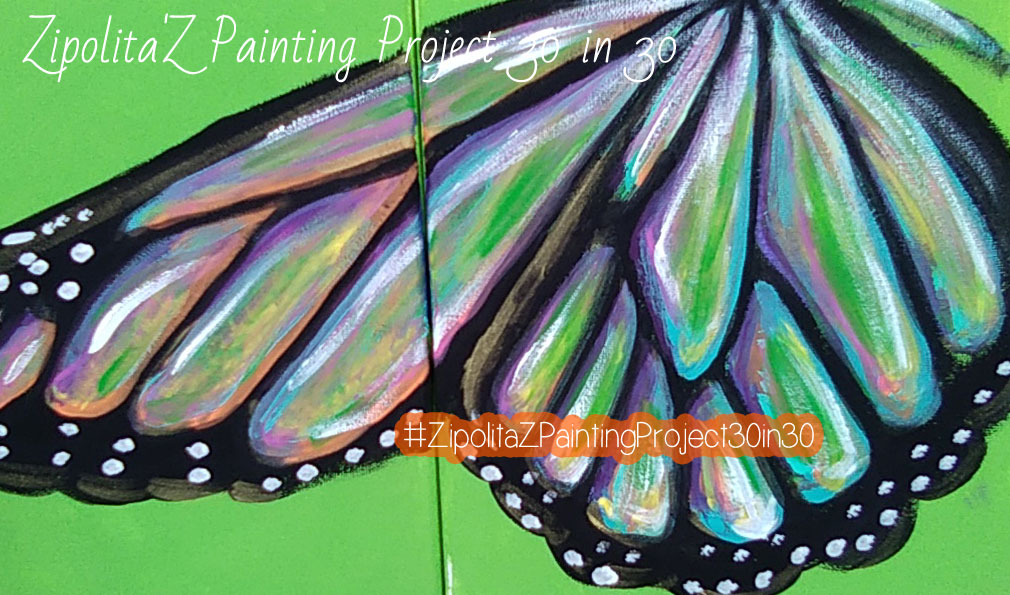
I hope you will help! Buy a painting, make a donation, have a butterfly painted on you shirt, apron, dress, and help me get back to Mexico for the winter so I can paint and teach art to kids and hopefully go see the butterflies.
“In 2012, the tribal police department reported more murders, fatal
accidents, sexual assaults, domestic disputes, drug busts, gun threats,
and human trafficking cases than in any year before. The surrounding
counties offer similar reports. But there is one essential difference
between Fort Berthold and the rest of North Dakota: The reservation’s
population has more than doubled with an influx of non-Indian oil
workers—over whom the tribe has little legal control.”
Is obvious right? We NEED everyone to support this project.
Please help!
I am making cedar medallions/pendants to sell and partial proceeds will go to help support the Tiny House Warriors. I was calling them pendants but I think medallions is better because these women are heros. Kanahus is my hero. I have lots of beautiful women warrior heroes and I hope to do a video or film about them soon.
Anyways I got an email asking me to send $5 and well I had been planning to make these anyways and I thought hey, let's make this more powerful by supporting something that I truly believe in.
Every little bit helps. If you want, even just to send the $5 to the Tiny House Warriors ...
$5 x 1000 = $5000 and that builds another Tiny house.
Just made the first #WomenAreSacredMedallion yesterday.
Stay Tuned for details!
I have been talking about Tiny houses for years.We are going to be homeless..actual homeless at the end of the month. We have been relative homeless (it's where you live somewhere your not really wanted but have no where else to go) for years. Many many people live this way, (especially women, especially single moms) with family, friends, on couches, in precarious, often abusive, oppressing situations. It's not suppose to be this way.
How is your living situation? Are you realizing just how warped out the world has become. We need to take care of Mother Earth. Building pipelines through pristine lands is NOT the way. Poisoning the land with mining and so called "accidental disasters " like Mt. Polley(where no one/ no corporation is charged) is going to me the end of us. It is the destruction of our future and our children's children's future.
THIS WHY YOU NEED TO SUPPORT THE #TINYHOUSEWARRIORS! They are doing this for everyone!! For the future of the world. The pipeline will only make the Tar Sands grow. We have seen the climate change disasters this last week with Hurricane Irma and Hurricane Harvey.
Do you ever feel really small and think what can I do. Are you tired?
I am. Sometimes I feel like I want to quit this blog but then I read something and I think...this needs a voice. I am small, right now I am poor and at the end of the month homeless, I am single mom of a beautiful 15 year old girl and this fentanyl crisis is freaking me out. I haven't personally lost any friends or family to this crisis but I do know many who have and it's devastating. Any loss of life is devastating. GRIEF! Been there.
I come up with all these cRaZy thoughts and my kids says "what are you on?" Nothing! I just have these ideas that pop into my head. Insights! Right now to me, it feels like this Fentanyl crisis is very similar to the small pox epidemic. Many people don't really know about it, we are just learning more as those enlightened enough delve into the muddy waters of so called "Reconciliation."
We are losing so many lives on the DTES (everywhere) but the stats are showing it's a high percentage of First Nation women. The matriarchs! These poor souls who have suffered so much already from the legacy of the Residential schools, from being in Foster Care, from being pushed aside and forgotten by society..these single moms, these children, homeless, preyed upon by other sick souls and the very government that is supposedly elected to protect used and abused them and just single parents in general. OUR SOCIETY IS REALLY F*KED UP!!
IT'S NOT SUPPOSED TO BE THIS WAY! I could go on a long rant about how we are supposed to be hunters and gatherers and 200 years ago, at this time of year huge amounts of salmon would be arriving and the men would be helping fishing and women would be cleaning, drying the salmon. The women would be harvesting berries, the women would be gathering roots and making cedar clothes. Everyone would be working and getting ready for winter. Everyone had a job, home, and love...NOT LIKE NOW!!
Am I making any sense? Women had women to rely on. They had children but they could find their own food and if you study anthropology- is they provided most of the diet. But in today's women, especially single moms are treated like shit. Either you work yourself to death and have someone else raise your child (i.e. lovely hard working Philipino nanny ) and your kid has her morals, not yours...because you weren't there...or you have to live in precarious oppressive situations or God forbid the government swoops in and steals your child.
Why do you think these women are using drugs. To numb the pain of all that I just mentioned.
Enter Fentanyl. BIG PHARMA!
This is going to be a long rant, you might want to get a coffee and some kind of treat because this is ugly shit and not nice to talk about but I need to vent here and if you want to stick around well, I hope I enlighten you or if you are already maybe you can share.
My arms are already sore from typing...I've got tendonitis, so I can't type to much for to long. It's why I can't take many labour jobs, it's why I should be on disability but disability is as evil and de-humanizing as welfare. It's not enough to live on, proving your poor is humility, proving you can't actually work is even more exhausting and depressing and I refuse to grovel to the government- unknown entities who see you as a number and can dismiss you with a keystroke. So many suffer from this useless system. And Christy Clark, thank god she's gone she help propel this shit to the level it is. And John Horgan, while I love what you have been doing so far, $100 extra month is NOTHING!! NOTHING!! NOTHING!! NOTHING!! NOTHING!! NOTHING!!
WE NEED BASIC INCOME NOW FOR ALL SINGLE PARENTS!!!
(and tiny houses on all the streets, close them, hook the houses up to street facilities, plant gardens everywhere, shut down all the shipping and shit, use local only, clean up the harbour, bring back OUR SALMON, teach our kids how to survive with no F*CKNG electricity, because WHEN THAT SOLAR STORM, earthquake, Tsunami, hurricane, flood, or god forbid MOON misses the U.S. and hits us...help our child have some sort of tools to survive.. even if it's just a few.. DO IT FOR OUR CHILDREN'S CHILDREN)
whew! breathe...1, 2, 3... That feels a little better. I needed to vomit that all up! BLAK!
Last night on the news this lady was saying about all these kids in OTTAWA starting back to school and they were afraid for them. One mom said that when she was young if you smoked a joint it wasn't the end of the world..now maybe it is.
I remember when I was little... 12 ...my sister she gave me this book called GO ASK ALICE, it was supposed to warn me about drugs, because people were doing LSD and jumping off roofs and shit..in honesty ...it made me want to do drugs. Go figure!
DRUGS... WHAT ARE THEY? Let's talk about that for a minute.
My mom had open heart surgery when I was 14, she had all sorts of health issues, she may have had Lupus we don't know, she hurt all the time. She was on meds up the ying yang. She took prenizone, you know that one, it's evil. After she had been on it 10 years we read it caused all sorts of evil things. She died 10 years ago. GRIEF- remember I mentioned it above...hit me really hard. My mom was grieving for years. My dad took his life when I was 11 years old. She had 3 teens to raise, she had 4 kids but the oldest was already married and all that pressure took it's toll on them ...I remember mom saying to me...that she had to get a job or the welfare would take us. When my dad took his life there life insurance was void. My mom was an incredibly strong beautiful loving woman and she survived, she raised us and she got me through school even though I encountered some awful teachers and wanted to quit so bad. She survived another heart attack later on when my child was just 5 months. She hurt all the time and BIG PHARMA was pumping her full of drugs.
I remember near the end. I was so scared. I had had a falling out with my family, I had no money. My kids dad is Mexican, he is lucky he make $20 a day so he can't help...and we are not together, so I get nothing. I am on my own...anyways, I had social assistance when my kid was born up until 3. Then they were kicking me off so I figured out how to get into a Co-op, some really lovely people helped an I managed to move but I didn't want some people to know...I was just scared...scared all the time...just like so many of these single moms/dad, aunties, caring for kids...that the welfare system will come steal our kids and force them into some evil situation where they will be abused, used and preyed upon..(a lovely legacy of the residential school-(sarcasm here...I hope you realize).
Anyways, my mom was in terrible pain, she couldn't take alot of pain killers and she called an asked me could I please get her some medical marijuana...she was ready to try anything...and I was living in Nelson- and green was BC underground ecomony and how we survived the recession if you are clueless to such things. But I told her no. I was scared. I was so scared someone would see me and then I would lose my kid.
Why am I telling you all this? If you are still with me...Hello! Thanks for listening.
Drugs. They are F*KING EVIL. but what kind of drugs. In the sixties parents were afraid of LSD, in the 80's is was cocaine, in the 90's it was crack, in 2000 we were back to heroin (thanks to 9/11) and now it's a FENTANYL CRISIS!
Where's it coming from? I heard it's coming from China, ...the heroin is coming from Iraq, Iran, Afganistan...I don't know...somewhere like that, because of the wars, and it's coming up from Mexico and South America...along with cocaine.. all thanks to the lovely WAR ON DRUGS. War makes wars...just in a different way. NEGATIVE ENERGY FEEDS IT!
So if you looked back in history and at true Indigenous- hunting gathering societies, they all have medicinal herbs that the shamans/medicine man/woman/two-spirits/peoples gave to people who were dealing with GRIEF or some other kind of troubling event.
Did you ever see IN THE HEART OF THE WORLD. https://www.youtube.com/watch?v=hRgTtrQOiR0 they warned us back in 1990's to take care, that we were screwing up the world and we better stop. They use the coca leaf to think well, to find answers to their problems, the shaman guides them.
So what's my point about all this. My point is where is the connection and disconnection.
Do you think that someone who has a home, food to eat, children to raise, is surrounded by loving people is going to turn to "drugs". Maybe is someone they love dies, or many and they are in grief the shaman would help them. But what is happening right now if you STEP BACK and LOOK at the big picture is that women are being thrown aside, their children must suffer the consquences and you have EVIL BIG PHARMA spewing forth it's vomit onto poor suffering souls.
The opiate crisis is at it's peak because doctors- (so called healers.. ya right) have been medicating people with DRUGS to stop chronic pain, to medicate (depression), to zombize (ADHD) our children...
Apparently dealers put a little bit of fentanyl in one packet so someone purposely od's leading users to thing that it's super high quality and they risk getting it because they want the best high. Doctors/BIG PHARMA created this issue by prescribing https://en.wikipedia.org/wiki/Oxycodone
for pain. https://www.drugs.com/oxycontin.html
Is any of this making sense...it's what they did and our doing to our First Nations, especially our BEAUTIFUL STRONG MATRIARCHS, the women who fought so hard to raise strong young men and women to carry on. It's colonialism, yes, and the legacy of the residential schools and corporate greed, it's today's government and society using and abusing the most vulnerable..the women and children. They are wiping out the women, women who love the earth and wan to protect their mother. They are wiping out the mothers. https://tinawinterlik.blogspot.ca/2017/06/do-it-for-every-child-taken-june-is.html
HOW DO WE RISE? HOW DO WE CHANGE THIS? With art right? We resist, we share?
What else can I do at the moment. So this morning I came across the first article shared and thought what can I do, to give this man a voice, to give a voice to everyone who has lost someone they loved to this evilness. And that's why I made this post. So I am sharing. It's all I can do because I am having a hard time keeping my head above the water...I am trying not to drown...just as the mother, our beautiful mothers, and mother earth is drowning.
Use ART LIKE A DRUG!! Heal yourself, save your friends, RISE UP and let's take back the control. Let's save the mothers, grandmothers, children and let's SAVE MOTHER EARTH. She doesn't need us but I think she still loves us just like all your inhabitants, but if we keep hurting her, hurting each other, hurting ourselves..well she will hurt us..she won't mean to but she will just be protecting herself. Does that makes sense? Are you still here!! THANK YOU!
Thank you! If you have read even some of this page, thank you. I hope that teachers, parents, professors, doctors, everyone will read my page and share it and discuss what I am saying. We need to calm down, but we need to rise in a peace way. We need to reach out support and love one another.
In the video above Deepak Chopra says something about "we think we are outside of nature, we are not, we are part of nature, maybe if we calm down, nature will calm down" (not a direct quote, to tired to go get it)
BUT ISN'T IS OBVIOUS!
With all the awful energy, with the hate being spewed in the world, especially of late, no wonder the storms are getting bigger...yes our ignorance and disrespect of mother earth is causing climate change but you must get to a much higher level and step back and see it for what it is. Energy. We are all energy.. positive and negative energy...it has to go somewhere... how will we use that energy, our energy. One day our energy will go back into the earth, ashes to ashes, dust to dust...let's call upon our ancestors, the positive energies of the universe to help us in this hour of need. Let's reach out and love one another, let's help each other. Do it for our children's children.
Sending love and light. I love you all. I love the water, the ocean, the dirt, the birds, the sacred cedar trees, the moon, the sun, I love everything and I ask you to think, eat and pray love like that book says. Be love today. Let's turn things around.
I was at Langara College today. Had to drop of a few things and they
happened to be having the orientation for the Reconciliation carving
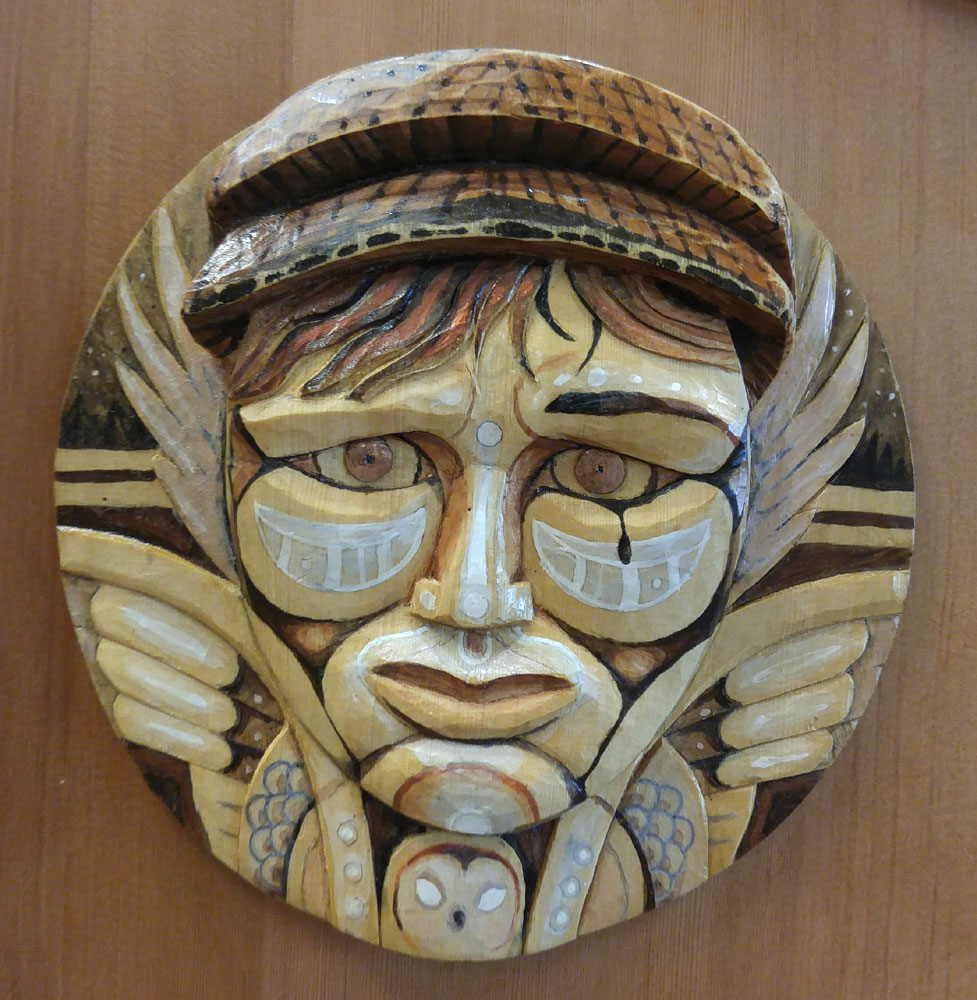
program. These are the sacred panels we created.
Our program brought together Indigenous and Non-Indigenous and we worked together to design and create them.
One panel honors the children who did not return from the Residential
schools and one panel honors the Murdered and Missing Indigenous Women.
There is a new program starting this fall and I ask you to inquire and
share the info and encourage people to participate so we can all "move
forward in a good way!"
Space available for September 2017!
Langara's Aboriginal Studies Department, in partnership with the Fine Arts Department, offers a unique Aboriginal carving series that is open to all students.
Students will complete two carving courses and an applied research
course. Under the supervision of acclaimed Coast Salish artist Aaron Nelson-Moody, students
will collaborate on the creation of two reconciliation house boards.
Once complete, the house boards will become part of a planned outdoor
Aboriginal space on Langara’s campus. Langara Film Arts students will
document the carving process. Read more
There is so much work to be done and it starts with you and me. We must
each take responsibility and help heal the wounds and create a better
world for our children and children's children.